Top 100 medical and healthcare startups in USA
Jan 31, 2026
|
Like
19
1

Funding: $160M
Alveus Therapeutics is a clinical-stage biotechnology company developing next-generation therapies for obesity and metabolic diseases, designed for sustained efficacy, improved tolerability, and reduced treatment burden.
Alveus Therapeutics is a clinical-stage biotechnology company developing next-generation therapies for obesity and metabolic diseases, designed for sustained efficacy, improved tolerability, and reduced treatment burden.
2

Funding: $125M
Ambros was created to test and market neridronate, a drug designed to reduce pain in complex regional pain syndrome type 1, in North America. The startup acquired the rights to this drug from the Italian company Abiogen (the drug is approved in Italy). CRPS-1, formerly known as reflex sympathetic dystrophy, is a rare disorder characterized by intense and sometimes continuous pain in the affected limb following a bone injury.
Ambros was created to test and market neridronate, a drug designed to reduce pain in complex regional pain syndrome type 1, in North America. The startup acquired the rights to this drug from the Italian company Abiogen (the drug is approved in Italy). CRPS-1, formerly known as reflex sympathetic dystrophy, is a rare disorder characterized by intense and sometimes continuous pain in the affected limb following a bone injury.
3

Funding: $75M
Neok is a spin-off of Korean biotech ABL, that paired its antibody skills with linker-payload technology to build a pipeline of ADCs. Neok was started with two ADC-candidates from ABL and plans to test them and deliver the first human data in 2027. The drugs target thoracic, gastrointestinal and gynecological cancers via ROR1, EGFR and MUC1 proteins. The expression of these proteins by some healthy cells makes on-target, off-tumor toxicity a concern for drugs that engage the receptor. But, in theory, Neok's bispecific design (which is fine-tuned for each target antigen pair) could improve safety. This dual-targeting strategy has the potential to target a wider range of tumors, overcome drug resistance.
Neok is a spin-off of Korean biotech ABL, that paired its antibody skills with linker-payload technology to build a pipeline of ADCs. Neok was started with two ADC-candidates from ABL and plans to test them and deliver the first human data in 2027. The drugs target thoracic, gastrointestinal and gynecological cancers via ROR1, EGFR and MUC1 proteins. The expression of these proteins by some healthy cells makes on-target, off-tumor toxicity a concern for drugs that engage the receptor. But, in theory, Neok's bispecific design (which is fine-tuned for each target antigen pair) could improve safety. This dual-targeting strategy has the potential to target a wider range of tumors, overcome drug resistance.
4

Funding: $72M
Link Cell Therapies develops CAR-T cell therapies for patients with solid tumors. The company has developed unique AND gate technology that requires co-expression of cancer targets to ensure cellular cytotoxicity and greater tumor specificity. It enables safe targeting of multiple antigens that are co-expressed on cancer cells but have no or minimal overlap in normal healthy tissue. Combined with additional platforms in development, the company is advancing number of promising therapeutic programs that promise to unlock the potential of CAR T therapy in a variety of important oncological diseases, including solid tumors and certain hematological malignancies. Johnson & Johnson is a major investor in the startup.
Link Cell Therapies develops CAR-T cell therapies for patients with solid tumors. The company has developed unique AND gate technology that requires co-expression of cancer targets to ensure cellular cytotoxicity and greater tumor specificity. It enables safe targeting of multiple antigens that are co-expressed on cancer cells but have no or minimal overlap in normal healthy tissue. Combined with additional platforms in development, the company is advancing number of promising therapeutic programs that promise to unlock the potential of CAR T therapy in a variety of important oncological diseases, including solid tumors and certain hematological malignancies. Johnson & Johnson is a major investor in the startup.
5

Funding: $16.2M
Lin is an online pain management platform offering personalized, evidence-based programs from experts. It matches patients with chronic pain with personalized pain recovery consultant to create a customized treatment plan. The consultant guides them throughout the program and multidisciplinary clinical team provides oversight. Although the platform uses artificial intelligence to scale, all care is provided by humans. Treatments are not medication-based, but rather brain-focused techniques and physical therapy. The company partners with healthcare providers and insurance companies to offer patients evidence-based, low-risk chronic pain treatments.
Lin is an online pain management platform offering personalized, evidence-based programs from experts. It matches patients with chronic pain with personalized pain recovery consultant to create a customized treatment plan. The consultant guides them throughout the program and multidisciplinary clinical team provides oversight. Although the platform uses artificial intelligence to scale, all care is provided by humans. Treatments are not medication-based, but rather brain-focused techniques and physical therapy. The company partners with healthcare providers and insurance companies to offer patients evidence-based, low-risk chronic pain treatments.
6

Funding: $1.8B
Nuvalent develops targeted therapies targeting clinically proven kinases in oncology. Its drugs are small molecules that precisely interact with the target kinase in the original tumor and the mutated target kinase in the drug-resistant tumor. This allows the drugs to treat both the original tumor and tumors with emerging resistance mutations. Structure-based design technology addresses the issue of kinase selectivity to minimize side effects and ensure durable treatment responses. The company's pipeline includes clinical trials against non-small cell lung cancer and the treatment of brain metastases.
Nuvalent develops targeted therapies targeting clinically proven kinases in oncology. Its drugs are small molecules that precisely interact with the target kinase in the original tumor and the mutated target kinase in the drug-resistant tumor. This allows the drugs to treat both the original tumor and tumors with emerging resistance mutations. Structure-based design technology addresses the issue of kinase selectivity to minimize side effects and ensure durable treatment responses. The company's pipeline includes clinical trials against non-small cell lung cancer and the treatment of brain metastases.
7

Funding: $209M
Ikena Oncology is developing novel immunometabolic therapies. Its flagship drug IMG-007 is a monoclonal antibody against OX40 with an extended half-life (5 weeks) for patients with immunological, autoimmune and inflammatory diseases. IMG-007 contains a modified Fc region that blocks ADCC function, meaning signaling by activated T cells is weakened without destroying or depleting T cells. This solution has the potential to improve tolerability and increase the range of measurement, leading to the use of higher doses, increased efficacy and improved safety. The company's primary target is atopic dermatitis. In a proof-of-concept clinical trial in patients with moderate to severe atopic dermatitis, three doses of IMG-007 administered over a one-month period resulted in symptom reduction in the majority of patients. Ikena Oncology was acquired by ImageneBio
Ikena Oncology is developing novel immunometabolic therapies. Its flagship drug IMG-007 is a monoclonal antibody against OX40 with an extended half-life (5 weeks) for patients with immunological, autoimmune and inflammatory diseases. IMG-007 contains a modified Fc region that blocks ADCC function, meaning signaling by activated T cells is weakened without destroying or depleting T cells. This solution has the potential to improve tolerability and increase the range of measurement, leading to the use of higher doses, increased efficacy and improved safety. The company's primary target is atopic dermatitis. In a proof-of-concept clinical trial in patients with moderate to severe atopic dermatitis, three doses of IMG-007 administered over a one-month period resulted in symptom reduction in the majority of patients. Ikena Oncology was acquired by ImageneBio
8
Funding: $200M
AirNexis has exclusive rights to develop AN01- drug for chronic obstructive pulmonary disease (COPD) outside of China from Haisco Pharmaceutical Group. AN01 is a dual PDE3/4 inhibitor that exerts synergistic effects through a dual mechanism of action (MOA) that promotes bronchodilation and reduces the release of inflammatory factors.
AirNexis has exclusive rights to develop AN01- drug for chronic obstructive pulmonary disease (COPD) outside of China from Haisco Pharmaceutical Group. AN01 is a dual PDE3/4 inhibitor that exerts synergistic effects through a dual mechanism of action (MOA) that promotes bronchodilation and reduces the release of inflammatory factors.
9

Funding: $182.3M
Actuate Therapeutics develops molecular drugs for cancer treatment. Its lead drug, elraglusib (a GSK-3 inhibitor), targets multiple molecular pathways in cancer cells involved in promoting tumor growth and developing resistance to traditional anticancer drugs and chemotherapy. Elraglusib is also considered a mediator of antitumor immunity by inhibiting multiple immune checkpoints and regulating immune cell function. Actuate has demonstrated promising results in the treatment of pancreatic cancer, childhood malignancies, metastatic salivary gland carcinoma and melanoma.
Actuate Therapeutics develops molecular drugs for cancer treatment. Its lead drug, elraglusib (a GSK-3 inhibitor), targets multiple molecular pathways in cancer cells involved in promoting tumor growth and developing resistance to traditional anticancer drugs and chemotherapy. Elraglusib is also considered a mediator of antitumor immunity by inhibiting multiple immune checkpoints and regulating immune cell function. Actuate has demonstrated promising results in the treatment of pancreatic cancer, childhood malignancies, metastatic salivary gland carcinoma and melanoma.
10
Funding: $152M
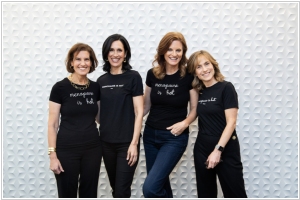
Midi is a virtual care clinic for women that treats depression, weight problems, gynecological cancer, sexual and period problems. It provides an app for booking virtual meetings and videocalls with experts. Together with your clinician, you'll review all possible solutions—including supplements, prescription medication and lifestyle changes. Midi is available in all 50 states, with insurance coverage for virtual visits and prescriptions.
Midi is a virtual care clinic for women that treats depression, weight problems, gynecological cancer, sexual and period problems. It provides an app for booking virtual meetings and videocalls with experts. Together with your clinician, you'll review all possible solutions—including supplements, prescription medication and lifestyle changes. Midi is available in all 50 states, with insurance coverage for virtual visits and prescriptions.
11

Funding: $113M
VieCure develops Halo Intelligence - AI-powered software for oncology care. It provides physicians with a clinical analytics system and an electronic medical record for oncology patients, enabling them to develop personalized treatment plans. The platform integrates real-time clinical decision support, practice operating system, codified curated knowledge base, physician mobile app, teleoncology, patient mobile app and AI-powered analytics system.
VieCure develops Halo Intelligence - AI-powered software for oncology care. It provides physicians with a clinical analytics system and an electronic medical record for oncology patients, enabling them to develop personalized treatment plans. The platform integrates real-time clinical decision support, practice operating system, codified curated knowledge base, physician mobile app, teleoncology, patient mobile app and AI-powered analytics system.
12

Funding: $51.9M
DermaSensor is developing a handheld device for practitioners for detection of skin cancer risk. It is the first FDA-cleared AI-powered skin cancer diagnostic device that enables objective referral prioritization using a 0-10 cancer risk assessment scale. A total of five spectral data points are captured from each skin lesion. The DermaSensor algorithm analyzes the spectral data and provides a skin cancer risk assessment in seconds. The tip of the device reflects and records short bursts of light from the lesion's cellular and subcellular contents. The light is analyzed by a built-in computer, providing information that helps physicians evaluate skin lesions (including melanomas, squamous cell carcinomas and basal cell carcinomas) to determine referral.
DermaSensor is developing a handheld device for practitioners for detection of skin cancer risk. It is the first FDA-cleared AI-powered skin cancer diagnostic device that enables objective referral prioritization using a 0-10 cancer risk assessment scale. A total of five spectral data points are captured from each skin lesion. The DermaSensor algorithm analyzes the spectral data and provides a skin cancer risk assessment in seconds. The tip of the device reflects and records short bursts of light from the lesion's cellular and subcellular contents. The light is analyzed by a built-in computer, providing information that helps physicians evaluate skin lesions (including melanomas, squamous cell carcinomas and basal cell carcinomas) to determine referral.
13

Funding: $11.5M
AiM Medical Robotics is developing portable, MRI-compatible surgical robot that can be useed in the MRI room and operating room. The company's goal is to improve outcomes for patients undergoing neurosurgery for functional brain disorders (Parkinson's disease, epilepsy, etc.) and brain cancer. It also can save hospitals money by eliminating errors and reducing procedure time. AiM's robotic platform can integrate into existing workflow and provide surgeons with real-time intraoperative MRI visualization combined with robotic control to ensure precise placement of neurostimulation electrodes, biopsies, tumor ablation and targeted intracranial delivery of therapeutic drugs. The system leverages AI to provide surgeons with predictive information in real time.
AiM Medical Robotics is developing portable, MRI-compatible surgical robot that can be useed in the MRI room and operating room. The company's goal is to improve outcomes for patients undergoing neurosurgery for functional brain disorders (Parkinson's disease, epilepsy, etc.) and brain cancer. It also can save hospitals money by eliminating errors and reducing procedure time. AiM's robotic platform can integrate into existing workflow and provide surgeons with real-time intraoperative MRI visualization combined with robotic control to ensure precise placement of neurostimulation electrodes, biopsies, tumor ablation and targeted intracranial delivery of therapeutic drugs. The system leverages AI to provide surgeons with predictive information in real time.
14

Funding: $555.6M
CG Oncology develops oncolytic immunotherapies for patients with advanced bladder cancer. Its flagship drug Cretostimogen is an intravesically administered oncolytic immunotherapy with a dual mechanism of action. It selectively replicates and lyses bladder cancer cells. The rupture of cancer cells can then release tumor-derived antigens, along with GM-CSF, which can stimulate a systemic antitumor immune response involving the body's immune system. CG Oncology has a robust clinical trial program with a developed pipeline to study the safety and efficacy of Cretostimogen. It has received FSA Fast Track and Breakthrough Therapy designations from the FDA.
CG Oncology develops oncolytic immunotherapies for patients with advanced bladder cancer. Its flagship drug Cretostimogen is an intravesically administered oncolytic immunotherapy with a dual mechanism of action. It selectively replicates and lyses bladder cancer cells. The rupture of cancer cells can then release tumor-derived antigens, along with GM-CSF, which can stimulate a systemic antitumor immune response involving the body's immune system. CG Oncology has a robust clinical trial program with a developed pipeline to study the safety and efficacy of Cretostimogen. It has received FSA Fast Track and Breakthrough Therapy designations from the FDA.
15

Funding: $280.8M
Triana Biomedicines is developing a platform to discover molecular "glues" for disease regulation. This technology identifies small molecules that facilitate interactions between two proteins (work like a glue). One such application aims to activate the innate protein degradation pathway to destroy disease-specific protein (for example in cancer cells). The company's lead candidate, TRI-611, a molecular degrader targeting ALK-positive anaplastic lymphoma kinase, is aimed at treating non-small cell lung cancer (NSCLC) and is capable of overcoming resistance observed with existing treatments. The company also has clinical trials in breast cancer in its pipeline. Pfizer is a major investor.
Triana Biomedicines is developing a platform to discover molecular "glues" for disease regulation. This technology identifies small molecules that facilitate interactions between two proteins (work like a glue). One such application aims to activate the innate protein degradation pathway to destroy disease-specific protein (for example in cancer cells). The company's lead candidate, TRI-611, a molecular degrader targeting ALK-positive anaplastic lymphoma kinase, is aimed at treating non-small cell lung cancer (NSCLC) and is capable of overcoming resistance observed with existing treatments. The company also has clinical trials in breast cancer in its pipeline. Pfizer is a major investor.
16

Funding: $253M
Diagonal Therapeutics develops agonist antibody-based drugs designed to correct abnormal signaling in severe genetic diseases such as hereditary hemorrhagic telangiectasia. The company is also exploring its antibody as a treatment for the underlying cause of pulmonary arterial hypertension. It has demonstrated significant disease-modifying activity in several preclinical models of NHT and PAH and restore normal signaling in patient-derived cells. The company claims its antibodies are highly specific, easy to manufacture and convenient for use in patients, with potential for modification during disease management.
Diagonal Therapeutics develops agonist antibody-based drugs designed to correct abnormal signaling in severe genetic diseases such as hereditary hemorrhagic telangiectasia. The company is also exploring its antibody as a treatment for the underlying cause of pulmonary arterial hypertension. It has demonstrated significant disease-modifying activity in several preclinical models of NHT and PAH and restore normal signaling in patient-derived cells. The company claims its antibodies are highly specific, easy to manufacture and convenient for use in patients, with potential for modification during disease management.
17

Funding: $106M
Totus Medicines develops precision oral therapeutics for cancer treatment. The company uses own drug discovery platform OmniDEL, which utilizes artificial intelligence/machine learning and innovative DNA-encoded covalent library technology to search for small molecule drugs. The startup conducts ultra-high-throughput cell-based screening of these molecules using its proprietary labeling technology for cellular analysis. The company's flagship drug, TOS-358, is a precision oral drug for the treatment of cancers with PI3Kα mutations (the most frequently mutated oncogene in a wide range of cancers, for which there are currently no drugs that provide potent, specific and long-lasting inhibition without significant toxicity). TOS-358 is currently in clinical trials for the treatment of hormone receptor-positive breast, endometrial and head and neck cancers expressing PI3K-alpha mutations.
Totus Medicines develops precision oral therapeutics for cancer treatment. The company uses own drug discovery platform OmniDEL, which utilizes artificial intelligence/machine learning and innovative DNA-encoded covalent library technology to search for small molecule drugs. The startup conducts ultra-high-throughput cell-based screening of these molecules using its proprietary labeling technology for cellular analysis. The company's flagship drug, TOS-358, is a precision oral drug for the treatment of cancers with PI3Kα mutations (the most frequently mutated oncogene in a wide range of cancers, for which there are currently no drugs that provide potent, specific and long-lasting inhibition without significant toxicity). TOS-358 is currently in clinical trials for the treatment of hormone receptor-positive breast, endometrial and head and neck cancers expressing PI3K-alpha mutations.
18

Funding: $100M
Azalea Therapeutics is a biotech company co-founded by Nobel laureate and CRISPR co-creator Jennifer Doudna to develop a revolutionary cancer vaccine - a single injection that reprograms a patient's T cells directly within the body (in vivo). The technology combines virus-like particles (EDVs) for precise delivery of the CRISPR editor and adeno-associated viruses, which allow genes to be inserted into precisely defined sections of DNA. The combination of these technologies enables a single injection that modifies T cells while preserving their natural behavior. The company is also exploring the possibility of applying the technology to hematopoietic stem cells and B cells. Azalea stands out from its competitors thanks to its unique ability to precisely program gene placement in immune cells.
Azalea Therapeutics is a biotech company co-founded by Nobel laureate and CRISPR co-creator Jennifer Doudna to develop a revolutionary cancer vaccine - a single injection that reprograms a patient's T cells directly within the body (in vivo). The technology combines virus-like particles (EDVs) for precise delivery of the CRISPR editor and adeno-associated viruses, which allow genes to be inserted into precisely defined sections of DNA. The combination of these technologies enables a single injection that modifies T cells while preserving their natural behavior. The company is also exploring the possibility of applying the technology to hematopoietic stem cells and B cells. Azalea stands out from its competitors thanks to its unique ability to precisely program gene placement in immune cells.
19

Funding: $100M
Addition Therapeutics (University of California spinoff) develops RNA-only therapeutics using PRINT technology for genetic medicine. PRINT stands for Precise RNA-Mediated Insertion of Transgenes and involves the creation of all-RNA, non-viral lipid nanoparticles. In drugs created using PRINT technology, only the genetic sequence of the messenger RNA is altered, all other components remain unchanged. The company claims this enables the creation of safer, long-lasting, single-dose treatments that overcome the limitations of existing genetic medicine. One of the company's primary goals is the treatment of HIV. With a grant from the Gates Foundation, Addition is developing PRINT therapy to stimulate endogenous antibody production with a single dose for "lifelong protection against HIV."
Addition Therapeutics (University of California spinoff) develops RNA-only therapeutics using PRINT technology for genetic medicine. PRINT stands for Precise RNA-Mediated Insertion of Transgenes and involves the creation of all-RNA, non-viral lipid nanoparticles. In drugs created using PRINT technology, only the genetic sequence of the messenger RNA is altered, all other components remain unchanged. The company claims this enables the creation of safer, long-lasting, single-dose treatments that overcome the limitations of existing genetic medicine. One of the company's primary goals is the treatment of HIV. With a grant from the Gates Foundation, Addition is developing PRINT therapy to stimulate endogenous antibody production with a single dose for "lifelong protection against HIV."
20

Funding: $96M
Lantern Pharma is creating the AI platform RADR for the development of oncology drugs. It's mainly used to predict the potential response of patients to drugs. RADR uses publicly available databases, commercial clinical research and trial data, proprietary company data derived from ex vivo 3D tumor transcriptome models, genomic data and drug sensitivity data from a wide range of carefully selected sources that are constantly analyzed, tracked and updated. Currently, the Lantern Pharma's portfolio includes three leading drug candidates and an ADC program for the treatment of 12 oncological diseases, including non-small cell lung cancer (NSCLC), TNBC, Bladder Cancer, Recurrent Non-Hodgkins Lymphoma, select solid tumors
Lantern Pharma is creating the AI platform RADR for the development of oncology drugs. It's mainly used to predict the potential response of patients to drugs. RADR uses publicly available databases, commercial clinical research and trial data, proprietary company data derived from ex vivo 3D tumor transcriptome models, genomic data and drug sensitivity data from a wide range of carefully selected sources that are constantly analyzed, tracked and updated. Currently, the Lantern Pharma's portfolio includes three leading drug candidates and an ADC program for the treatment of 12 oncological diseases, including non-small cell lung cancer (NSCLC), TNBC, Bladder Cancer, Recurrent Non-Hodgkins Lymphoma, select solid tumors
21

Funding: $31.3M
WearLinq produces wearable devices for health monitoring and diagnostics, in particular wireless 6-lead clinical ECG monitor and monitor eWave. It pairs with user's phone, transmitting real-time data and reports for up to 48 hours to doctors. The company claims the wireless monitor can last more than five days on a single charge. The device can help detect arrhythmias, but the company plans to expand its use in the future. WearLinq already received FDA clearance for the device to continuously monitor cardiac activity in individuals who may be asymptomatic or experience transient symptoms such as syncope, palpitations, dizziness, shortness of breath, lightheadedness, weakness, fatigue or anxiety.
WearLinq produces wearable devices for health monitoring and diagnostics, in particular wireless 6-lead clinical ECG monitor and monitor eWave. It pairs with user's phone, transmitting real-time data and reports for up to 48 hours to doctors. The company claims the wireless monitor can last more than five days on a single charge. The device can help detect arrhythmias, but the company plans to expand its use in the future. WearLinq already received FDA clearance for the device to continuously monitor cardiac activity in individuals who may be asymptomatic or experience transient symptoms such as syncope, palpitations, dizziness, shortness of breath, lightheadedness, weakness, fatigue or anxiety.
22

Funding: $305M
Parabilis Medicines has developed drug discovery platform for alpha-helical-linked peptides, primarily composed of specially selected non-canonical amino acids. Using this platform, Parabilis has assembled a large set of non-canonical amino acids and has hundreds of proprietary linkers for stabilizing peptides in the alpha-helical conformation. To fully exploit this diversity, the company has developed a suite of specialized experimental systems that can generate massive amounts of data on a wide range of drug properties, providing both input for building artificial intelligence models and serving as a high-throughput platform for empirically validating model predictions. As a pilot project, the company is advancing a drug against desmoid tumors.
Parabilis Medicines has developed drug discovery platform for alpha-helical-linked peptides, primarily composed of specially selected non-canonical amino acids. Using this platform, Parabilis has assembled a large set of non-canonical amino acids and has hundreds of proprietary linkers for stabilizing peptides in the alpha-helical conformation. To fully exploit this diversity, the company has developed a suite of specialized experimental systems that can generate massive amounts of data on a wide range of drug properties, providing both input for building artificial intelligence models and serving as a high-throughput platform for empirically validating model predictions. As a pilot project, the company is advancing a drug against desmoid tumors.
23

Funding: $281M
Paradigm creates an intelligent platform that enables all patients to participate in clinical trials and helps biotech companies improve their efficiency. The platform uses AI to automate patient recruitment and evaluate the feasibility of conducting trials at sites. The system enables providers to visualize their entire research portfolio, identify opportunities for patients not yet enrolled in trials, analyze the effectiveness of their clinical trial portfolio compared to expected enrollment rates and automate the completion of electronic data collection forms. Paradigm specializes in oncology research, cardiovascular diseases, metabolic disorders and neuroscience.
Paradigm creates an intelligent platform that enables all patients to participate in clinical trials and helps biotech companies improve their efficiency. The platform uses AI to automate patient recruitment and evaluate the feasibility of conducting trials at sites. The system enables providers to visualize their entire research portfolio, identify opportunities for patients not yet enrolled in trials, analyze the effectiveness of their clinical trial portfolio compared to expected enrollment rates and automate the completion of electronic data collection forms. Paradigm specializes in oncology research, cardiovascular diseases, metabolic disorders and neuroscience.
24

Funding: $231M
Chai Discovery develops AI models that predict and reprogram biochemical molecule interactions. Chai’s goal is to shorten the drug development timeline so that potential new medicines enter first-in-human studies and reach the market quicker. It can design molecules that have needed properties and tackle challenging targets that have been out of reach. The team has already used its flagship model Chai 2 to develop monoclonal antibodies aimed against tough-to-drug targets, and (accoring to the company) the new designs have properties similar to known antibody drugs.
Chai Discovery develops AI models that predict and reprogram biochemical molecule interactions. Chai’s goal is to shorten the drug development timeline so that potential new medicines enter first-in-human studies and reach the market quicker. It can design molecules that have needed properties and tackle challenging targets that have been out of reach. The team has already used its flagship model Chai 2 to develop monoclonal antibodies aimed against tough-to-drug targets, and (accoring to the company) the new designs have properties similar to known antibody drugs.
25

Funding: $179M
Pomelo Care is a virtual platform providing medical care to pregnant women and mothers caring for newborns. Its competence also includes child and women's health, reproductive health, hormonal balance and care during menopause and perimenopause. The company offers 24/7 virtual support through a multidisciplinary clinical team that allow to early identify risks, ensure continuous monitoring and fill the gaps of offline medical care. The company contracts with in-person physicians, as well as with employers and insurance companies for corporate social care.
Pomelo Care is a virtual platform providing medical care to pregnant women and mothers caring for newborns. Its competence also includes child and women's health, reproductive health, hormonal balance and care during menopause and perimenopause. The company offers 24/7 virtual support through a multidisciplinary clinical team that allow to early identify risks, ensure continuous monitoring and fill the gaps of offline medical care. The company contracts with in-person physicians, as well as with employers and insurance companies for corporate social care.
26

Funding: $30M
Converge helps pharmaceutical and biotech companies accelerate drug development using generative AI trained on molecular data. The startup trains generative models on DNA, RNA, and protein sequences. The generative model generates new antibodies, then predictive models filter these antibodies based on their molecular properties. Finally, docking system, using physical model, simulates the 3D interactions between the antibody and its target. In addition to the antibody design system, the startup has also introduced models for optimizing protein yield and one for biomarker and target discovery.
Converge helps pharmaceutical and biotech companies accelerate drug development using generative AI trained on molecular data. The startup trains generative models on DNA, RNA, and protein sequences. The generative model generates new antibodies, then predictive models filter these antibodies based on their molecular properties. Finally, docking system, using physical model, simulates the 3D interactions between the antibody and its target. In addition to the antibody design system, the startup has also introduced models for optimizing protein yield and one for biomarker and target discovery.
27

Funding: $86.9M
Vaccinex develops novel therapeutic antibodies for treatment of neurodegenerative diseases and cancer. Its drugs are based on the inhibition of semaphorin SEMA4D - potent biological effector believed to prevent immune infiltration and induce myeloid-derived suppressor cells in tumors, as well as trigger neuroinflammation through reactive gliosis in the brain. The company's lead drug candidate, pepinemab, blocks SEMA4D and has the potential to enhance immune activity against tumors and reprogram underlying pathogenic immune mechanisms that exacerbate damage in chronic neurological diseases such as Asheimer's disease and Huntington's disease. The company is also advancing candidates for the treatment of cervical, pancreatic and lung cancer. Vaccinex uses its proprietary ActivMAb drug discovery platform, which enables the discovery and development of highly selective antibodies with novel mechanisms of action against complex membrane proteins.
Vaccinex develops novel therapeutic antibodies for treatment of neurodegenerative diseases and cancer. Its drugs are based on the inhibition of semaphorin SEMA4D - potent biological effector believed to prevent immune infiltration and induce myeloid-derived suppressor cells in tumors, as well as trigger neuroinflammation through reactive gliosis in the brain. The company's lead drug candidate, pepinemab, blocks SEMA4D and has the potential to enhance immune activity against tumors and reprogram underlying pathogenic immune mechanisms that exacerbate damage in chronic neurological diseases such as Asheimer's disease and Huntington's disease. The company is also advancing candidates for the treatment of cervical, pancreatic and lung cancer. Vaccinex uses its proprietary ActivMAb drug discovery platform, which enables the discovery and development of highly selective antibodies with novel mechanisms of action against complex membrane proteins.
28

Funding: $5.5M
CranioSense is developing a non-invasive intracranial pressure monitoring system. It's used to diagnose neurological diseases and monitor patients with traumatic brain injury (which is important in sports and military medicine). The system consists of a forehead patch that attaches two near-infrared optical sensors to the scalp and a portable device (the size of a tablet) for transmitting and processing the information. Special algorithm allows intracranial pressure to be determined in seconds without drilling a hole in the skull or inserting a sensor into the brain.
CranioSense is developing a non-invasive intracranial pressure monitoring system. It's used to diagnose neurological diseases and monitor patients with traumatic brain injury (which is important in sports and military medicine). The system consists of a forehead patch that attaches two near-infrared optical sensors to the scalp and a portable device (the size of a tablet) for transmitting and processing the information. Special algorithm allows intracranial pressure to be determined in seconds without drilling a hole in the skull or inserting a sensor into the brain.
29

Funding: $3.9B
Moderna is a pioneer in developing a new class of drugs based on messenger RNA (mRNA). This new drug platform is based on the discovery that in-vitro engeneered and injected mRNA can direct the body's cellular machinery to produce virtually any protein of interest, from native proteins to antibodies and other entirely new protein constructs with therapeutic activity both inside and outside cells. In other words, mRNA can guide the body to produce its own drugs. Moderna used mRNA to create the first COVID-19 vaccine and is now applying this technology to create vaccines for infectious diseases (influenza, RSV, HSV, etc.), immuno-oncology (melanoma, lung cancer, liver cancer, etc.), rare diseases and autoimmune diseases.
Moderna is a pioneer in developing a new class of drugs based on messenger RNA (mRNA). This new drug platform is based on the discovery that in-vitro engeneered and injected mRNA can direct the body's cellular machinery to produce virtually any protein of interest, from native proteins to antibodies and other entirely new protein constructs with therapeutic activity both inside and outside cells. In other words, mRNA can guide the body to produce its own drugs. Moderna used mRNA to create the first COVID-19 vaccine and is now applying this technology to create vaccines for infectious diseases (influenza, RSV, HSV, etc.), immuno-oncology (melanoma, lung cancer, liver cancer, etc.), rare diseases and autoimmune diseases.
30

Funding: $3.5B
We are developing tools and platforms to enable more continuous health data collection for timely decision-making and effective interventions. We are running longitudinal studies to better understand ways to predict and prevent disease onset and progression. And, we are undertaking significant joint efforts with partners to radically transform the way healthcare is delivered.
We are developing tools and platforms to enable more continuous health data collection for timely decision-making and effective interventions. We are running longitudinal studies to better understand ways to predict and prevent disease onset and progression. And, we are undertaking significant joint efforts with partners to radically transform the way healthcare is delivered.
31
Funding: $3.4B
Genetix Biotherapeutics (formerly Bluebird Bio) develops gene therapies for rare genetic diseases using patient's own blood stem cells. The cells are harvested, modified outside the body to add working copies of the affected gene and then reintroduced into the patient, restoring the function of the affected gene. The company specializes in the treatment of sickle cell anemia, beta thalassemia and cerebral adrenoleukodystrophy (CALD). Its unique, single-dose treatments are FDA approved and address the underlying cause of the disease and can provide significant, long-term benefits to patients. Acquired by The Carlyle Group
Genetix Biotherapeutics (formerly Bluebird Bio) develops gene therapies for rare genetic diseases using patient's own blood stem cells. The cells are harvested, modified outside the body to add working copies of the affected gene and then reintroduced into the patient, restoring the function of the affected gene. The company specializes in the treatment of sickle cell anemia, beta thalassemia and cerebral adrenoleukodystrophy (CALD). Its unique, single-dose treatments are FDA approved and address the underlying cause of the disease and can provide significant, long-term benefits to patients. Acquired by The Carlyle Group
32

Funding: $3B
Altos Labs is working on biological reprogramming technology to essentially prolong human life
Altos Labs is working on biological reprogramming technology to essentially prolong human life
33

Funding: $2.8B
Exact Sciences is the developer and manufacturer of Cologuard, a non-invasive screening test for the early detection of colorectal cancer.
Exact Sciences is the developer and manufacturer of Cologuard, a non-invasive screening test for the early detection of colorectal cancer.
34

Funding: $2.4B
Amicus Therapeutics is a biotechnology company at the forefront of advanced therapies to treat a range of devastating rare and orphan diseases.
Amicus Therapeutics is a biotechnology company at the forefront of advanced therapies to treat a range of devastating rare and orphan diseases.
35

Funding: $2.4B
Cytokinetics develops first-in-class muscle activators as potential treatments for debilitating diseases in which muscle performance is compromised.
Cytokinetics develops first-in-class muscle activators as potential treatments for debilitating diseases in which muscle performance is compromised.
36

Funding: $2.3B
Revolution Medicines is developing new therapies through an innovative approach that harnesses the complex chemicals of life by reconfiguring natural substances into best-in-class medicines.
Revolution Medicines is developing new therapies through an innovative approach that harnesses the complex chemicals of life by reconfiguring natural substances into best-in-class medicines.
37

Funding: $2.3B
Devoted Health is a healthcare company serving seniors and giving them a health care plan with personal guides and world-class technology.
Devoted Health is a healthcare company serving seniors and giving them a health care plan with personal guides and world-class technology.
38

Funding: $2.3B
Tempus is a technology company advancing precision medicine through the practical application of artificial intelligence in healthcare.
Tempus is a technology company advancing precision medicine through the practical application of artificial intelligence in healthcare.
39

Funding: $2B
The mission of Grail is to enable the early detection of cancer in asymptomatic individuals through a blood screen – with the goal of massively decreasing global cancer mortality by detection at a curable stage. Grail will leverage the power of Illumina next-generation sequencing technology, the best talent in the field and the passion of its leadership to deliver on that promise.
The mission of Grail is to enable the early detection of cancer in asymptomatic individuals through a blood screen – with the goal of massively decreasing global cancer mortality by detection at a curable stage. Grail will leverage the power of Illumina next-generation sequencing technology, the best talent in the field and the passion of its leadership to deliver on that promise.
40

Funding: $2B
Oscar is a health insurance company that employs technology, design, and data to humanize health care.
Oscar is a health insurance company that employs technology, design, and data to humanize health care.
41

Funding: $2B
Pacific Biosciences designs, develops, and manufactures sequencing systems to resolve genetically complex problems.
Pacific Biosciences designs, develops, and manufactures sequencing systems to resolve genetically complex problems.
42

Funding: $1.9B
Caris Life Sciences develops molecular profiling and AI-driven technologies to support precision medicine in oncology.
Caris Life Sciences develops molecular profiling and AI-driven technologies to support precision medicine in oncology.
43

Funding: $1.9B
The Company is targeting treatment of both niche and prevalent indications, including fatty liver disease.
The Company is targeting treatment of both niche and prevalent indications, including fatty liver disease.
44

Funding: $1.9B
A simple blood test unlocks a new dimension in cancer management. Guardant360 is the only biopsy-free tumor sequencing test that tracks tumor genomics in real-time and identifies associated treatment options.
A simple blood test unlocks a new dimension in cancer management. Guardant360 is the only biopsy-free tumor sequencing test that tracks tumor genomics in real-time and identifies associated treatment options.
45
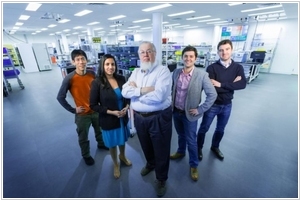
Funding: $1.6B
Ginkgo Bioworks is the organism company. We design custom microbes for customers across multiple markets. We build our foundries to scale the process of organism engineering using software and hardware automation. Organism engineers at Ginkgo learn from nature to develop new organisms that replace technology with biology.
Ginkgo Bioworks is the organism company. We design custom microbes for customers across multiple markets. We build our foundries to scale the process of organism engineering using software and hardware automation. Organism engineers at Ginkgo learn from nature to develop new organisms that replace technology with biology.

47

Funding: $1.6B
Crinetics Pharmaceuticals explores the inner life of GPCRs to discover and develop novel therapeutics targeting peptide hormone receptors for the treatment of rare endocrine disorders and endocrine-related cancers.
Crinetics Pharmaceuticals explores the inner life of GPCRs to discover and develop novel therapeutics targeting peptide hormone receptors for the treatment of rare endocrine disorders and endocrine-related cancers.
48

Funding: $1.6B
Using our proprietary Antibody-Coupled T-cell Receptor (ACTR) technology, we are discovering and developing new cellular immunotherapies for cancer. The company doesn’t intend to make its own antibodies in-house, but rather align with various companies that want to enhance their experimental antibody drugs.
Using our proprietary Antibody-Coupled T-cell Receptor (ACTR) technology, we are discovering and developing new cellular immunotherapies for cancer. The company doesn’t intend to make its own antibodies in-house, but rather align with various companies that want to enhance their experimental antibody drugs.
49

Funding: $1.6B
IOVANCE Biotherapeutics develops personalized autologous cellular immunotherapies using tumor-infiltrating lymphocytes (TILs). A patient's natural TILs are collected and grown outside the body and then administered to the patient in a single dose. Unlike targeted cell therapies, which act on general antigen targets, IOVANCE TILs are engineered to act on specific neoantigens unique to the patient or tumor. IOVANCE's T-cell-based immunotherapy platform has potential application across multiple solid tumor types. The company has two approved drugs for the treatment of metastatic melanoma and metastatic kidney cancer. The company is also conducting clinical trials for the treatment of cervical cancer, NSCLC, endometrial cancer, and head and neck squamous cell carcinoma.
IOVANCE Biotherapeutics develops personalized autologous cellular immunotherapies using tumor-infiltrating lymphocytes (TILs). A patient's natural TILs are collected and grown outside the body and then administered to the patient in a single dose. Unlike targeted cell therapies, which act on general antigen targets, IOVANCE TILs are engineered to act on specific neoantigens unique to the patient or tumor. IOVANCE's T-cell-based immunotherapy platform has potential application across multiple solid tumor types. The company has two approved drugs for the treatment of metastatic melanoma and metastatic kidney cancer. The company is also conducting clinical trials for the treatment of cervical cancer, NSCLC, endometrial cancer, and head and neck squamous cell carcinoma.
50

Funding: $1.6B
Arrowhead Research is focused on developing, commercializing, and licensing a range of nanotechnology products and applications.
Arrowhead Research is focused on developing, commercializing, and licensing a range of nanotechnology products and applications.