New and recently funded Medical Startups
1
Country: Canada
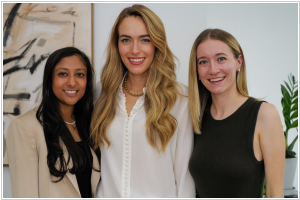
Alma makes nutrition software for individuals and nutrition professionals. The iPhone app supports meal logging by voice, photo, text or barcode, nutrient tracking and personalized food guidance. Alma for Coaches lets dietitians, nutritionists and fitness coaches share their own instructions, reference guides and recipes with clients, then review meal logs and nutrition trends in a web dashboard. Coach accounts are free.
Alma makes nutrition software for individuals and nutrition professionals. The iPhone app supports meal logging by voice, photo, text or barcode, nutrient tracking and personalized food guidance. Alma for Coaches lets dietitians, nutritionists and fitness coaches share their own instructions, reference guides and recipes with clients, then review meal logs and nutrition trends in a web dashboard. Coach accounts are free.
2
Country: UK | Funding: $472.3M
OMass Therapeutics develops new medicines against highly validated but inadequately drugged targets using novel biochemistry techniques, native mass spectrometry and custom chemistry. Its lead candidate, a melanocortin-2 (MC2) receptor antagonist dubbed OMS1620 is targeted at congenital adrenal hyperplasia (CAH) and ACTH-dependent Cushing’s syndrome.
OMass Therapeutics develops new medicines against highly validated but inadequately drugged targets using novel biochemistry techniques, native mass spectrometry and custom chemistry. Its lead candidate, a melanocortin-2 (MC2) receptor antagonist dubbed OMS1620 is targeted at congenital adrenal hyperplasia (CAH) and ACTH-dependent Cushing’s syndrome.
3

Country: USA
MediRemote provides virtual care services & remote devices that collect data and send it to the patient's doctor in real-time. Powered by reliable software, MediRemote delivers RPM, CCM, and PCM services to take the administrative weight off clinical team. It handles all device logistics, patient onboarding calls, daily reading reviews, and second-by-second time tracking, so the nurses can keep their full focus on the patients in waiting room.
MediRemote provides virtual care services & remote devices that collect data and send it to the patient's doctor in real-time. Powered by reliable software, MediRemote delivers RPM, CCM, and PCM services to take the administrative weight off clinical team. It handles all device logistics, patient onboarding calls, daily reading reviews, and second-by-second time tracking, so the nurses can keep their full focus on the patients in waiting room.
4

Country: Vietnam
Dental Link is a dental concierge in Vietnam. It matches international patients with vetted dental clinics in Ho Chi Minh City and Hanoi. 100% free for patients.
Dental Link is a dental concierge in Vietnam. It matches international patients with vetted dental clinics in Ho Chi Minh City and Hanoi. 100% free for patients.
5
Country: Morocco
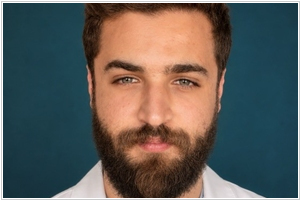
GS Ortho is an orthodontic platform built in Morocco for dentists, orthodontists and university departments. It brings together the patient record, AI-assisted cephalometric tracing (29 landmarks, Steiner and Tweed analyses), a guided diagnosis workflow and one-click requests for a specialist's opinion. Patient data stays on the practice's own server.
GS Ortho is an orthodontic platform built in Morocco for dentists, orthodontists and university departments. It brings together the patient record, AI-assisted cephalometric tracing (29 landmarks, Steiner and Tweed analyses), a guided diagnosis workflow and one-click requests for a specialist's opinion. Patient data stays on the practice's own server.
6
Country: Canada
SpeechLP is an AI speech therapy app for kids ages 3-9. Children practice R, S, TH, L, blends and every consonant sound through games with real-time AI feedback on each sound. Parents get practice reports, and speech-language pathologists can assign home practice between sessions. Built with certified SLPs; HIPAA, COPPA and FERPA compliant. Available on iPhone, iPad and web.
SpeechLP is an AI speech therapy app for kids ages 3-9. Children practice R, S, TH, L, blends and every consonant sound through games with real-time AI feedback on each sound. Parents get practice reports, and speech-language pathologists can assign home practice between sessions. Built with certified SLPs; HIPAA, COPPA and FERPA compliant. Available on iPhone, iPad and web.
7
Country: USA | Funding: $150M
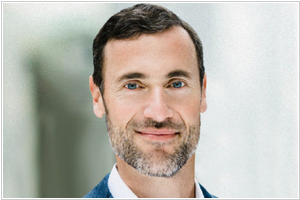
Matchpoint Therapeutics integrates chemoproteomics, ML, and covalent chemistry to treat serious illnesses. Its lead asset MPT-062 is an oral T cell modulator that allows to treat autoimmune and inflammatory diseases.
Matchpoint Therapeutics integrates chemoproteomics, ML, and covalent chemistry to treat serious illnesses. Its lead asset MPT-062 is an oral T cell modulator that allows to treat autoimmune and inflammatory diseases.
8
Country: USA | Funding: $579M
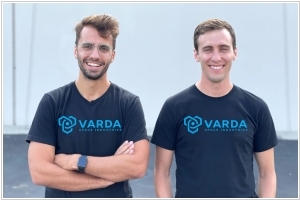
Varda is a space manufacturing startup that focuses on creating drugs in space, because development in space yields better efficiencies or purities than in the gravity of Earth.
Varda is a space manufacturing startup that focuses on creating drugs in space, because development in space yields better efficiencies or purities than in the gravity of Earth.
9

Country: USA
Clinsight is building Free U.S. healthcare directory that helps patients find and compare about 92,000 clinics by specialty, city, insurance, language and rating. No account needed and no paid placement.
Clinsight is building Free U.S. healthcare directory that helps patients find and compare about 92,000 clinics by specialty, city, insurance, language and rating. No account needed and no paid placement.
10
Country: Romania
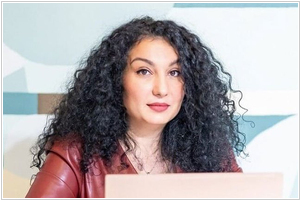
Sprijin360 is a Romanian marketplace where parents find verified therapists for their children — speech therapy, ABA, psychotherapy, occupational and myofunctional therapy. Every specialist signs a shared ethics code and publishes prices; listing is free for specialists, who pay only for results; an AI assistant, Iulia, helps families reach the right specialist.
Sprijin360 is a Romanian marketplace where parents find verified therapists for their children — speech therapy, ABA, psychotherapy, occupational and myofunctional therapy. Every specialist signs a shared ethics code and publishes prices; listing is free for specialists, who pay only for results; an AI assistant, Iulia, helps families reach the right specialist.